REFLECTION SATURDAY: THE STATE OF RURAL EDUCATION IN NIGERIA
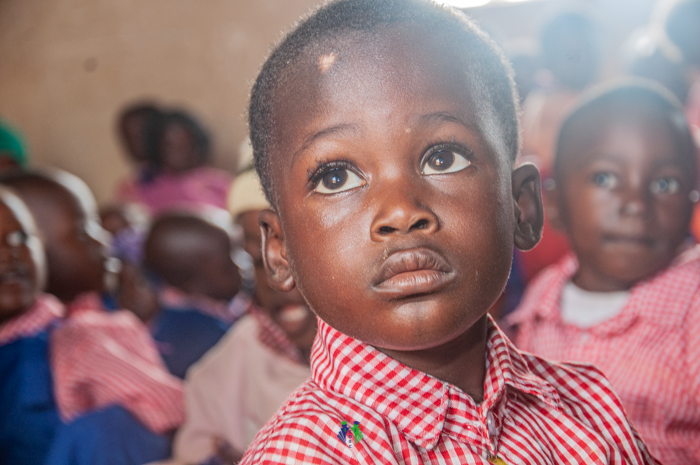
Rural schools in Nigeria face severe challenges, from teacher shortages to inadequate facilities. Despite the dedication of educators and communities, millions of children remain out of school or lack access to quality learning environments. This reflection examines the state of education in Southern Kaduna and across rural Nigeria, highlighting the urgent need for equitable interventions, teacher support, and modern learning resources.
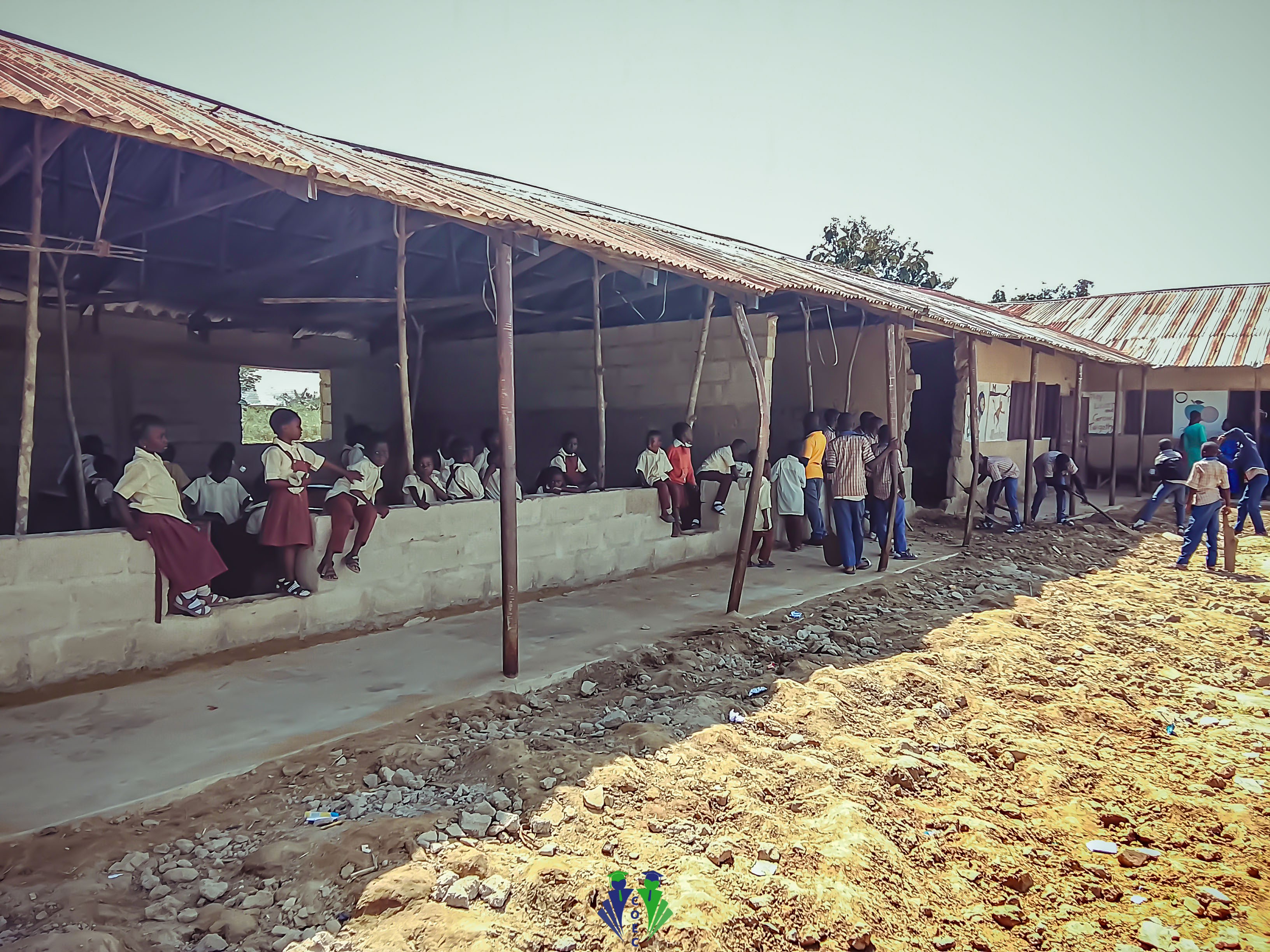
A few weeks ago, the team from Community Outreach for Educational Change (COEC) conducted a needs assessment visit to schools in the rural communities of Southern Kaduna, specifically in the area around Samaru Kataf. The purpose of the visit was to assess school facilities ahead of planned Water, Sanitation, and Hygiene (WASH) interventions. While we anticipated seeing challenges, what we encountered was more profound than expected.
In government schools, physical structures are often present, but there is a significant shortage of teachers. Many classrooms remain understaffed or are led by a single instructor responsible for multiple grades. Private schools in these communities, by contrast, have dedicated and committed teachers, yet the physical learning environments are severely lacking. Classrooms are dilapidated, libraries are absent, and there are few basic teaching tools. This mirrors a wider trend across rural Nigeria, where schools consistently face systemic challenges that hinder quality education.
The Numbers Behind the Reality
The situation in Samaru Kataf reflects the broader challenges faced by rural schools nationwide:
-
Nigeria faces a deficit of nearly 195,000 qualified teachers in basic education, with the largest proportion of these shortages concentrated in rural regions. Many states have not recruited teachers in over five years, worsening the situation. (BusinessDay)
-
Only about 23–30% of rural schools have adequate classrooms, libraries, or laboratories, compared with over 80% in urban schools. (RSIS International)
-
Access to potable water and sanitation is limited in rural schools (29%), compared with urban schools (89%). (RSIS International)
-
Approximately 28 million children aged 6–11 are out of school in Nigeria, with over 19.5 million in rural communities. Many nomadic children are also excluded from formal education. (ICIR Nigeria)
-
Learning outcomes are low: around 70% of children in public schools cannot read simple sentences or solve basic arithmetic by age 10, particularly in rural areas. (The Nigeria Education News)
These statistics highlight the systemic inequities that define rural education in Nigeria. Children born in rural communities face far greater barriers to quality learning than their urban counterparts, despite having equal potential.
From Observation to Action
Despite these challenges, teachers and communities in rural areas demonstrate remarkable resilience and commitment. At COEC, we have seen the dedication of educators who continue to teach with limited resources, and the determination of communities who contribute what they can to sustain learning.
While progress has begun in some areas — our WASH interventions have improved conditions in ten partner schools — the gaps remain substantial. Rural schools urgently require:
-
Recruitment and continuous training of qualified teachers
-
Creation of safe and conducive learning environments
-
Development of libraries and modern learning spaces
-
Reliable access to clean water and sanitation
A Call for Equity
Rural learners are not just “rural children.” They are the future of their communities and of the nation. A child in Far Lakai, Mikang LGA, should have the same opportunity for quality education as a child in Abuja, Jos, or Kaduna, or any other urban city in Nigeria. Equity in education is not optional; it is essential for national development.
Reflection on the state of education in rural communities is not merely an academic exercise. It is a call to action — for policymakers, civil society, educators, philanthropists, and all citizens. Sustainable solutions require coordinated advocacy, targeted interventions, and sustained investment.
Community Outreach for Educational Change remains committed to promoting equitable education and supporting interventions that uplift rural schools. Our work continues until meaningful, systemic change is realized.
COEC: Educate, Empower, Liberate
www.coecnigeria.org